Lumber: The Quirky Display Font for Bold Branding
If your project feels a bit too ordinary and needs a spark of personality, the Lumber font might be exactly what you are looking for. Typography is often the silent hero of design, setting the mood before a single word is read. In a digital landscape crowded with generic sans serifs and overused scripts, finding a display font that feels fresh yet functional is a rare win for designers.
Understanding the Aesthetic Appeal
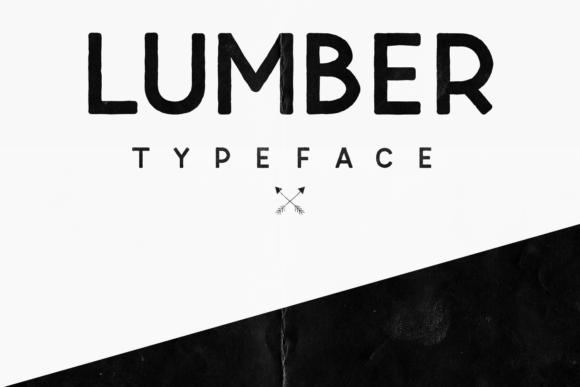
Lumber is a unique and interesting display font. A little bit quirky, this font is a great choice for a wide variety of contexts! It strikes a delicate balance between playfulness and professionalism. Unlike standard serif font families that can feel too corporate, or handwritten font styles that may lack structure, this typeface offers a distinct character. It brings a "premium font" feel to the table without the stiffness often associated with high-end design assets. Its personality shines through in its letterforms, making it an excellent choice for anyone looking to break away from the monotony of modern typography.
Creative Applications Across Industries
One of the strongest aspects of Lumber is its versatility in application. Because it is a display font, it is designed to grab attention rather than set long-form body text. This makes it an ideal candidate for visual hierarchy. When you need a headline that pops or a logo that commands attention, this font delivers.
Consider using Lumber for:
- Brand Identity: Perfect for startups or small businesses wanting to appear approachable yet stylish.
- Packaging Design: Its quirky nature adds charm to product labels, especially for artisanal goods or food brands.
- Poster Design: Works beautifully for event flyers or editorial design covers where visual impact is key.
- Social Media Graphics: Helps create scroll-stopping content on platforms like Instagram or Pinterest.
- Merchandise: Excellent for T-shirts, tote bags, and stickers where bold typography sells.
Design Flexibility and Font Pairing
A great typeface rarely works in isolation. To get the most out of a font download like Lumber, you need to consider how it interacts with other fonts. Because Lumber has a strong personality, it pairs exceptionally well with simpler sans serif fonts or clean serif fonts for body text. This contrast ensures readability while maintaining a dynamic visual hierarchy.
For instance, if you are designing a website, you might use Lumber for your H1 and H2 headings to establish a strong voice, then switch to a neutral sans serif for the paragraph text. This strategy keeps the design polished and professional without overwhelming the reader. It allows the "quirky" elements to shine where they matter most—usually in the logo design or call-to-action headers.
Scalability and Readability Considerations
When choosing a creative font, it is vital to test its scalability. Display fonts are typically intended for larger sizes, and Lumber is no exception. It holds its shape and character beautifully when scaled up for posters or web banners. However, like most display typefaces, it may lose legibility if used for very small body copy.
Always test your typography choices at the sizes they will actually be viewed. Ensure that the spacing (kerning and tracking) works well for your specific layout. A well-designed font helps maintain consistency across different platforms, ensuring that your brand identity looks just as good on a mobile screen as it does on a billboard.
Making the Right Choice for Your Project
Choosing a commercial font is an investment in your project's quality. While free fonts are abundant, a premium font like Lumber often comes with cleaner vectors, better kerning, and comprehensive licensing options. This ensures you can use the font safely for commercial projects without legal headaches.
Before you finalize your design assets, consider the mood you want to evoke. If your goal is to create a friendly, energetic, and memorable visual experience, Lumber is a strong contender. It moves beyond generic templates to give your work a custom, crafted feel. Ultimately, good typography is about making your message not just readable, but felt. Lumber offers the tools to do exactly that, helping you elevate your creative projects from standard to standout.