Timber: A Display Font That Sharpens Your Creative Vision
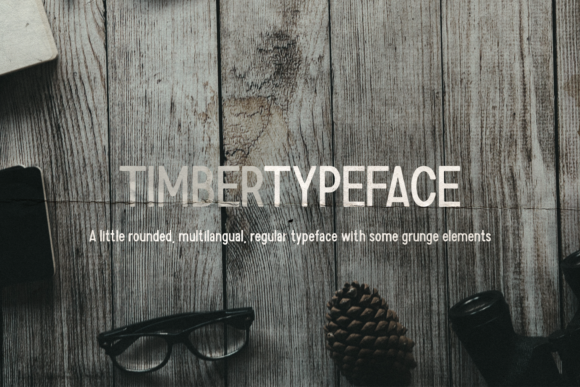
Some fonts have a quiet confidence that instantly elevates a design, and Timber is one of them. It’s a simple, sharp looking display font that manages to feel both modern and timeless, offering a clean foundation for projects that need to make a clear, strong statement. If you’re looking for a typeface that inspires your work without overpowering it, exploring what Timber has to offer is a worthwhile step.
The Anatomy of a Sharp, Modern Typeface
At its core, Timber is designed with clarity and impact in mind. As a premium font, its strength lies in its straightforward geometry and crisp edges. It avoids unnecessary flourishes, focusing instead on balanced letterforms that are highly legible even at smaller sizes. This makes it a versatile choice for both headlines and shorter blocks of text where readability is key. The design feels intentional and polished, helping your typography look professional from the outset.
Where Timber Truly Shines: Practical Applications
A font’s value is often measured by its adaptability. Timber excels as a creative font for a wide range of design assets, proving its utility across different media. Its clean aesthetic makes it particularly effective for:
- Brand Identity and Logo Design: The sharp, distinctive characters create memorable logos that are easy to recognize and scale well from a favicon to a billboard.
- Editorial and Packaging Design: Use it for striking magazine headlines, book titles, or product packaging that needs to convey quality and sophistication.
- Digital Presence: It translates beautifully to web design, social media graphics, and presentation slides, ensuring your digital content looks cohesive and engaging.
- Print Projects: From poster design to elegant invitations and merchandise, Timber provides the visual clarity needed for impactful print materials.
Building Visual Harmony with Font Pairing
A great display font rarely works in isolation. Timber’s simple, structured nature makes it an excellent partner for other typefaces. For a dynamic contrast, consider pairing it with a flowing script font or a handwritten font for accents. For a clean, unified system, it works seamlessly with many sans serif fonts or even a well-chosen serif font for body text. The goal of font pairing is to create visual hierarchy—using Timber for your main headlines to grab attention, while a complementary typeface handles longer paragraphs. This approach ensures your designs are both beautiful and functional.
Choosing and Using Timber Effectively
When incorporating any commercial font into your work, a few practical considerations ensure a smooth process. First, always verify the licensing terms to confirm it fits your project, whether for personal use or a commercial client. Next, test the font across your intended applications. How does it look on a dark background versus a light one? Does it maintain its sharpness in a small web button? Because Timber is designed for scalability, it typically performs well, but testing is a crucial step in any professional workflow. Use its strength for key phrases and titles to create a strong visual anchor in your layouts.
The Subtle Power of Intentional Typography
Your choice of typeface communicates as much as the words themselves. Selecting a font like Timber, with its clean and confident character, subtly influences how your audience perceives your brand or message. It suggests clarity, modernity, and attention to detail. In a world crowded with visual noise, a well-chosen, sharp display font helps your work stand out with purpose. It’s not about being the loudest, but about being clear and considered—a quality that resonates and builds trust with viewers.
Investing time in finding the right typography is investing in the quality of your final product. A thoughtfully designed font like Timber doesn’t just decorate your work; it becomes an integral part of the story you’re telling, helping to turn a good design into a great one.